
Leave the jokes at Reception
A hospital ward where laughter was forbidden, a return to Liverpool with JLR, and ChatGPT offers a range of festive greetings

“Don’t make him laugh”
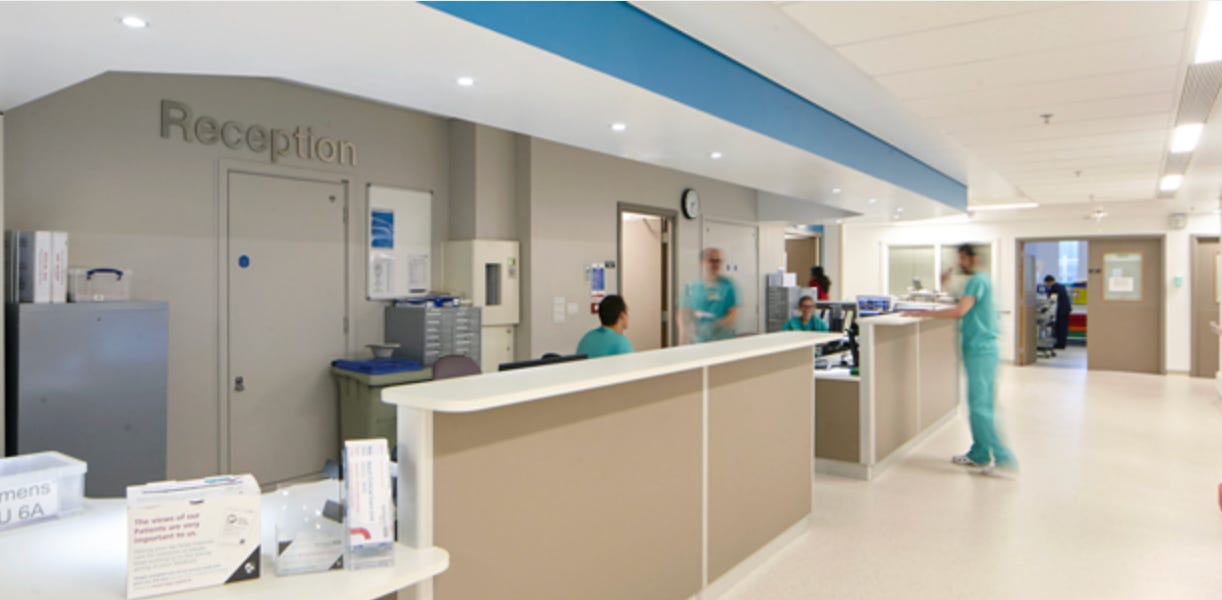
As we enter St Bart’s hospital, my wife Maggie leans over and reminds me not to make any jokes. “I mean it, Liam.”
Steve and I have spent our friendship of forty plus years of ups and downs communicating through humour — taking the piss, winding each other up, sharing and laughing at jokes we probably shouldn’t.
But in his hospital recovery bed my humour was banned, because it hurt my mate to laugh after his long heart operation. The brutal, red raw, foot long wound up his chest will need time to heal and stressing it by laughing (or coughing or sneezing) is not what the doctor ordered.
Steve is a tuba player and has lungs like bellows and he is used to filling huge venues with brass band music. To see him having to breathe so carefully and speak so quietly was deeply moving. The operation to crack open his chest, stop his heart and fit a metal valve has been a success, the treatment he received has been world class and he will recover as many men in their sixties do. Bravo, the NHS and the Filipinas, Jamaicans, South Africans, Nigerians and Brits who provided true care.
But to see your friend so vulnerable and in pain is the bluntest reminder that life is so terribly fragile and that Steve and I have very much much less time ahead of us than is behind us. The suffering of those we love is a mirror for our own vulnerability and fears. In all honesty, not all my thoughts were noble. The coward in me also thought ‘thank god that’s not me in that bed’ as we walked back to Farringdon tube
Steve is home now and he’s getting stronger every day. So I’m storing up my rude jokes, death jokes, and other dangerous materials. With luck, I’ll unleash them in the new year when laughing doesn’t hurt him. Friendship is knowing when to crack a joke and when to let the man’s sternum heal.
Social change: grown not delivered
Earlier this year, the Jaguar Land Rover Foundation launched with a clear but ambitious mission: to provide unrestricted capital and talent into youth organisations across England so they can deepen their support for young people who struggle to access jobs, training, and opportunity.
I sit on the board and we have announced our first four charity partners. Our due diligence process took me back to a place I know well: Speke in south Liverpool, to check out Right To Succeed.
It was a return of sorts. Thirty years ago, I cut the ribbon on a new social enterprise in Speke called Create. We recruited long-term unemployed young people—mostly young men from south Liverpool—and trained them in electrical engineering, warehousing, logistics, and retail.
We partnered with Thorn EMI, Dixons, Liverpool City Council and various public bodies tasked with regenerating the city and ‘delivering change’. Hundreds of young people came through our doors and thousands of Merseyside households received refurbished white goods, many of them families in desperate need.
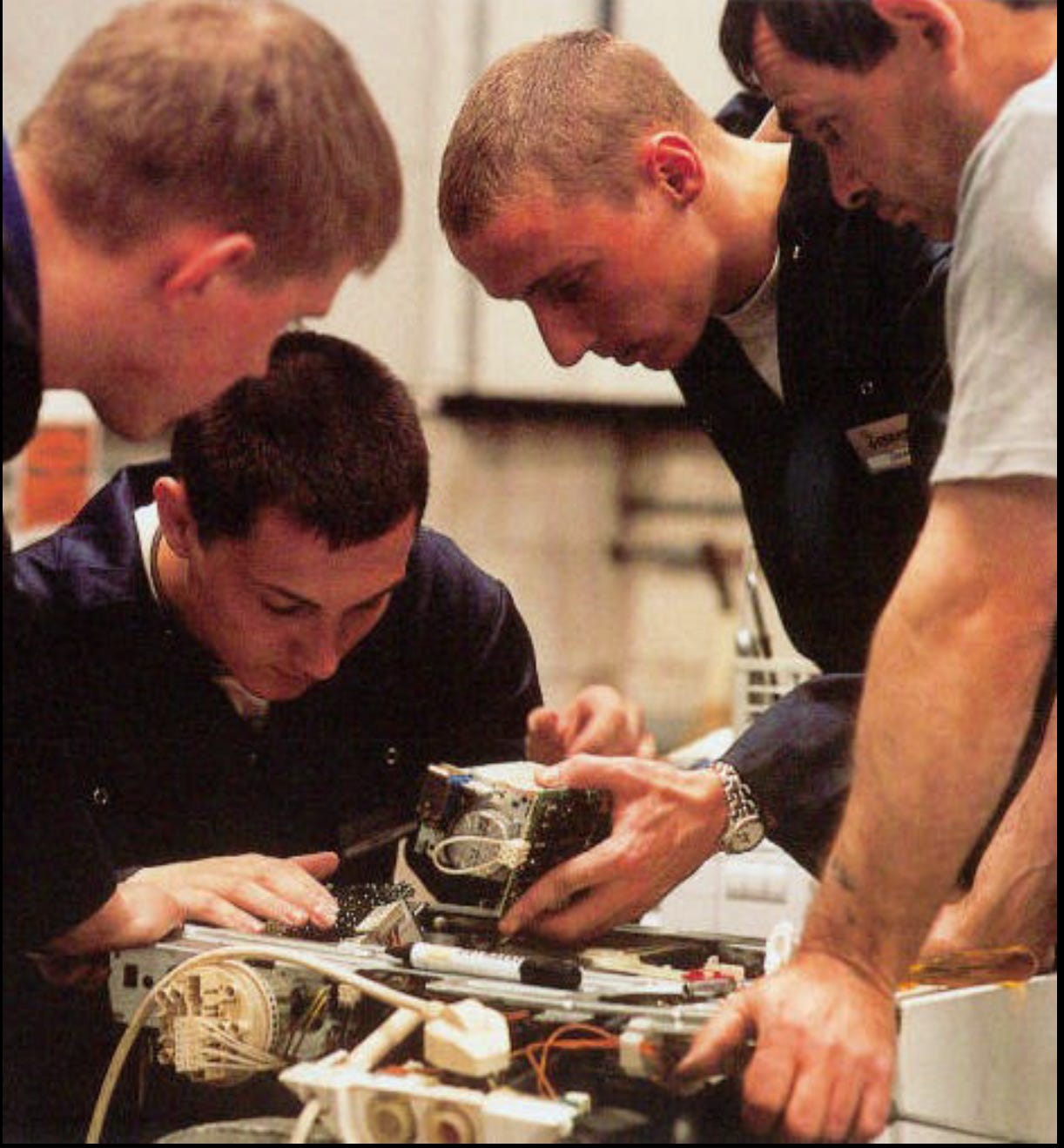
Create did good work for some years until changes in European regulation on electrical waste and funding, a few self-inflicted governance wounds, and a disastrous attempt to franchise in Tottenham, eventually forced us to close. I remember those years as full of pride, long hours and an ever-present dread about cashflow and being able to pay the wages.
Back then, I was part of The Regenerati—an elite cohort of well-paid, cross-sector professionals who arrived in places like Speke, stayed for a while, and then moved on to more prestigious roles elsewhere usually in the public sector. Many of those regenerati now run councils, sit in the House of Lords, lead consultancies, or sit on corporate foundation boards.
Parts of Speke today look very different from 1995 and there has been progress. Big boxes house big businesses like Amazon and the retail park ticks off the usual brands. And then there is Jaguar Land Rover, building the Evoque and Discovery at Halewood.
On my visit to the site, I spent time on the factory floor and with senior management. The business is impressive: highly skilled, highly automated, and deeply rooted in the community. What struck me most was the obvious and genuine pride people feel for the company and their commitment to the communities from which they recruit.
But walk the few hundred yards from the JLR site to the community centre where I met the Right To Succeed team (one of whom recognised me from my Create days - “you had more hair then Liam!”), and it’s clear how much hasn’t changed. Poverty still runs deep. There are too many unemployed young men adrift—some lighting fires around the JLR perimeter fencing, intimidating workers as they walk home through the underpass. All those years, all those millions upon millions poured into “regeneration”, and so much have it has been squandered, creating very little of lasting social value
We are backing Right To Succeed because of its long-term commitment to the place, and to genuine community involvement and leadership, putting residents and young people at the centre of decision making. True regeneration is the work of those who stay.
Have a good one
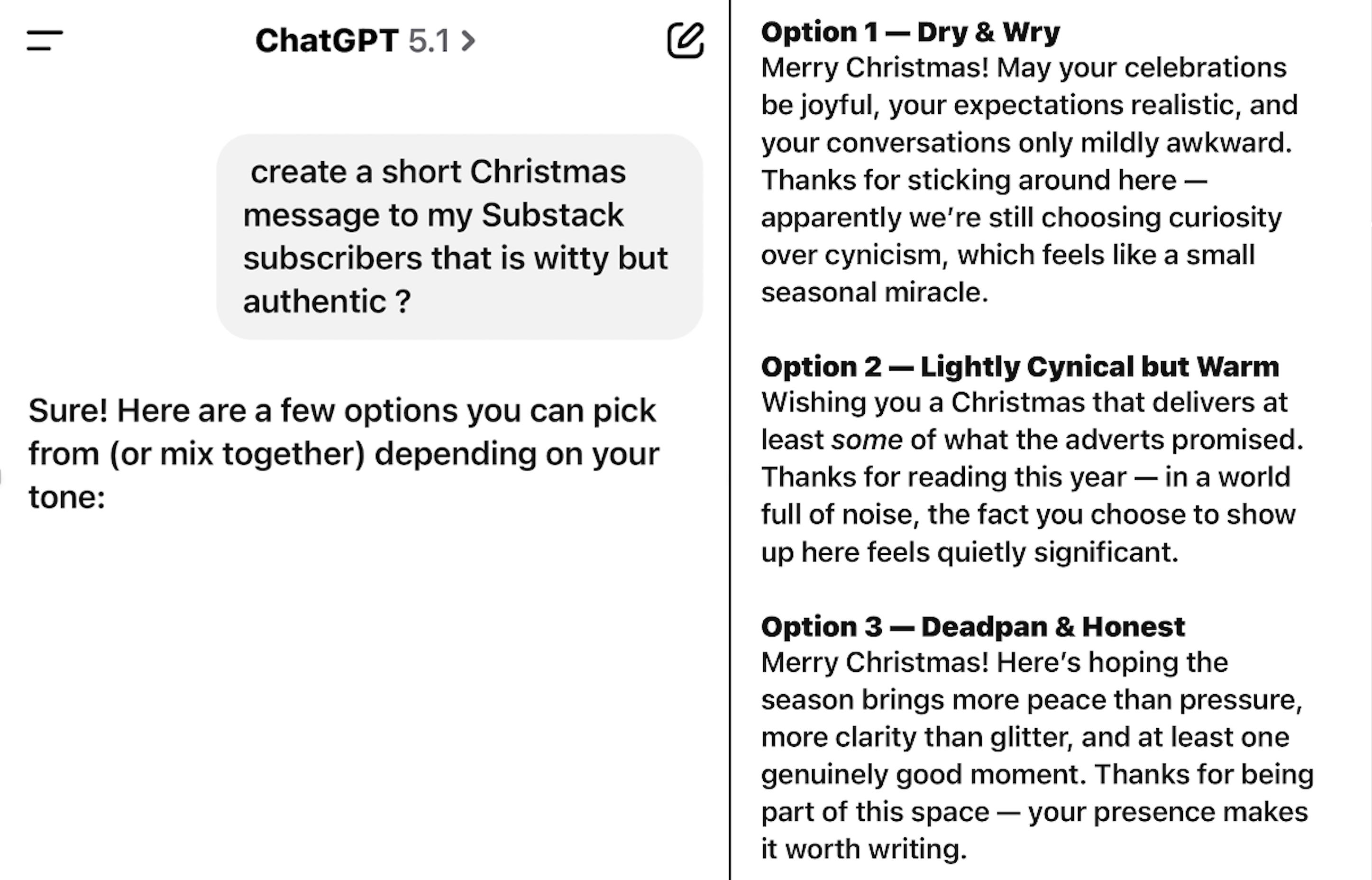
Do have a lovely Christmas, stay healthy and let your loved ones know they are.
And here is a quiz game to play at your Christmas dinner table rather than arguing about politics and trying to keep Uncle Trevor off his rant about small boats and Sadiq Khan : What are the odds that consciousness isn’t unified and that there isn’t just a single “you” in your head experiencing the world?

See you next year.
Peace, love and profit.
Liam x
PS If you are still stuck for a book to buy for the ambitious leaders in your life, get them my How To Lead With Purpose. It’s really good.